South Korea stories
The campaign exposed how an unknown financially motivated actor used AI tools to breach multiple South Korean financial firms and steal data.
LG U+ customers in South Korea will gain access to more global and local subscription offers as the telecoms group broadens its Udok platform.
The tie-up could help data centre builders in South Korea source cabling, connectors and power systems from one supplier group.
International investors in Korean equities could get a faster, more transparent voting process as the two firms plan to digitise proxy infrastructure.
Singapore shoppers can now buy Korean secondhand goods in one checkout, with fees included and trusted delivery for fan collectibles and fashion.
South Korea's banks and payments firms are testing stablecoin rails, with Kakao Pay and Kakao Bank assessing local rules before any wider rollout.
The five dishes have sold more than 140,000 units, showing how spending data can help supermarkets spot restaurants with loyal customers.
Rising AI electricity demand is prompting the firms to seek more efficient, compact power-supply designs for data centres and high-end computing gear.
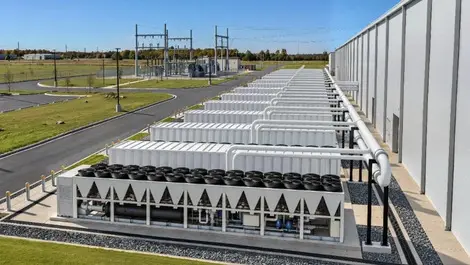
Rising demand for AI cooling is pushing the Korean group to add capacity in Virginia and South Korea with KRW 150 billion of investment.
Enterprises in Singapore, Australia and New Zealand will gain a single service to manage AI-era cloud networks across multiple platforms.
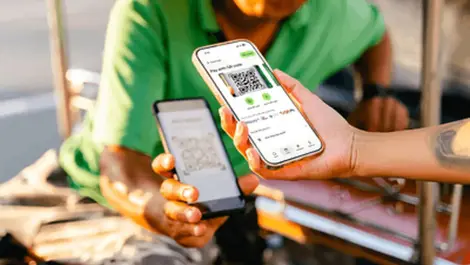
Travellers can now buy mobile data and scan local payment codes in Wise's app, as the firm expands its push into trip spending.
The programme could bring advanced driver assistance features to millions of passenger vehicles across China and Asia-Pacific from 2027.
The shift towards AI-ready liquid cooling is prompting Castrol to target new-build data centres and costly retrofits across Asia Pacific.
Rising corporate AI spending in the region is sharpening demand for security and governance tools as enterprises move beyond experimentation.
Banks in Asia Pacific can now send cross-border payments into retail wallets, as BNY taps rising demand for faster consumer payouts.
Workforce readiness is becoming the main obstacle as industrial firms in Asia Pacific race to use AI without losing vital site expertise.
AI adoption is pushing organisations to store far more data, with most now reactivating archives and prioritising cheaper long-term storage.
Higher transparency is drawing more capital into commercial property, with highly transparent markets attracting USD $1.4 trillion over two years.
Worries are growing that autonomous systems could deepen loneliness, disrupt schooling and force governments to curb AI use.
Background AI tasks could drive a new wave of mobile traffic, with Ericsson saying two-thirds of users may tap AI daily by 2030.